
Exploring Metal Fabrication Services Canada: A Practical Guide
Metal fabrication shapes the backbone of many industries. From architecture to engineering, the ability to transform raw metal into precise, functional parts is crucial. In Canada, the demand for reliable metal fabrication services is growing fast. I want to share insights on how these services work, what to expect, and how to choose the right provider for your projects.
Understanding Metal Fabrication Services Canada
Metal fabrication involves cutting, bending, and assembling metal to create structures or components. The process uses various techniques such as welding, machining, and forming. In Canada, metal fabrication services cater to a wide range of sectors including construction, manufacturing, and design.
These services are not one-size-fits-all. They adapt to the specific needs of each project. Whether you need a single prototype or a large production run, metal fabricators in Canada offer scalable solutions. They work with different metals like steel, aluminum, and copper, ensuring durability and precision.
Choosing a local metal fabrication service means faster turnaround times and easier communication. Canadian fabricators understand regional standards and regulations, which helps avoid costly delays. Plus, many use advanced technology like CNC machines and laser cutters to deliver high-quality results.

Key Benefits of Using Metal Fabrication Services Canada
There are several advantages to working with metal fabrication services in Canada. Here are the main ones:
Customization: You get parts tailored exactly to your design specifications. This is crucial for unique projects or complex designs.
Quality Control: Local fabricators maintain strict quality standards. They inspect every stage to ensure the final product meets your expectations.
Speed and Efficiency: Proximity reduces shipping times and costs. Many fabricators offer quick turnaround options for urgent projects.
Expertise: Canadian fabricators bring years of experience and technical know-how. They can advise on material choice, design improvements, and fabrication methods.
Sustainability: Many shops prioritize eco-friendly practices, recycling scrap metal and minimizing waste.
For example, an architect designing a custom metal staircase can collaborate closely with a fabricator to ensure the final product fits perfectly and meets safety codes. Similarly, a hobbyist creating metal art can benefit from precise cutting and finishing services.
How much does metal fabrication cost?
Cost is a key factor when planning any project involving metal fabrication. Prices vary widely depending on several factors:
Material Type and Thickness: Steel is generally less expensive than aluminum or stainless steel. Thicker materials cost more due to higher raw material and processing expenses.
Complexity of Design: Simple shapes and standard sizes cost less. Intricate designs requiring detailed cutting, welding, or finishing add to the price.
Quantity: Bulk orders reduce the cost per unit. Prototypes or one-off pieces tend to be pricier.
Labor and Technology: Automated processes like CNC machining can lower costs by speeding production. However, highly skilled labor for custom work may increase expenses.
Finishing and Additional Services: Powder coating, painting, or galvanizing add to the total cost but improve durability and appearance.
To get an accurate estimate, provide your fabricator with detailed drawings and specifications. Many Canadian metal fabrication services offer free quotes and consultations. This helps you budget effectively and avoid surprises.
Choosing the Right Metal Fabrication Partner
Selecting the right fabricator is critical. Here are practical tips to guide your choice:
Check Experience and Specialization: Look for fabricators with a proven track record in your industry or project type.
Review Equipment and Technology: Modern machinery ensures precision and efficiency.
Ask About Quality Assurance: Certifications and inspection processes matter.
Evaluate Communication: Clear, prompt communication prevents misunderstandings.
Request References and Samples: Past work examples demonstrate capability.
Consider Location: Proximity can save time and shipping costs.
I recommend visiting the facility if possible. Seeing the operation firsthand gives confidence in their capabilities. Also, inquire about turnaround times and flexibility for changes during production.
If you want to streamline your project, consider using custom metal fabrication services that offer online quoting and ordering. This approach saves time and simplifies the process from design to delivery.
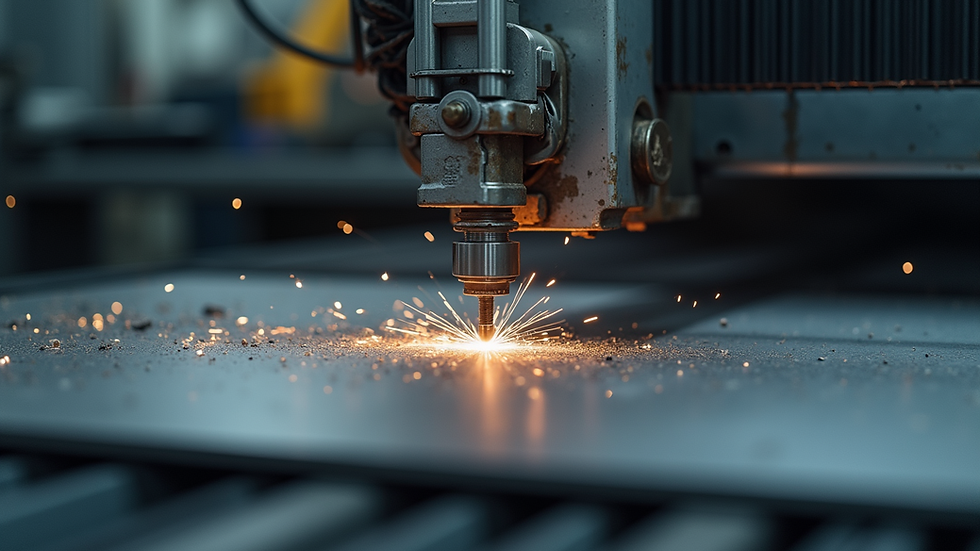
Practical Applications of Metal Fabrication in Canada
Metal fabrication plays a vital role across many fields. Here are some common applications:
Construction: Structural steel beams, metal frameworks, and custom architectural elements.
Manufacturing: Machine parts, enclosures, and assembly line components.
Art and Design: Sculptures, furniture, and decorative metalwork.
Automotive and Aerospace: Custom parts, chassis, and support structures.
Industrial Equipment: Tanks, piping, and heavy machinery components.
Each application demands specific fabrication techniques and materials. For instance, aerospace parts require high precision and lightweight metals, while construction components focus on strength and durability.
By understanding these applications, you can better communicate your needs to the fabricator and ensure the final product fits its intended use perfectly.
Moving Forward with Your Metal Fabrication Project
Starting a metal fabrication project can seem daunting. But with the right information and partner, it becomes straightforward. Here’s a quick checklist to keep you on track:
Define Your Requirements: Material, dimensions, quantity, and finish.
Prepare Detailed Designs: CAD files or technical drawings.
Research Fabricators: Compare services, reviews, and capabilities.
Request Quotes: Include all specifications for accurate pricing.
Communicate Clearly: Confirm timelines, revisions, and delivery.
Review Samples or Prototypes: Approve before full production.
Plan for Installation or Use: Coordinate logistics and handling.
By following these steps, you reduce risks and ensure your project meets expectations. Remember, the right metal fabrication service in Canada can turn your digital designs into high-quality physical parts quickly and efficiently.
Metal fabrication is a powerful tool for creating durable, precise, and custom metal products. Whether you are working on a small artistic piece or a large industrial project, understanding the landscape of metal fabrication services Canada helps you make informed decisions. With the right partner, your ideas become reality faster and with confidence.


Comments